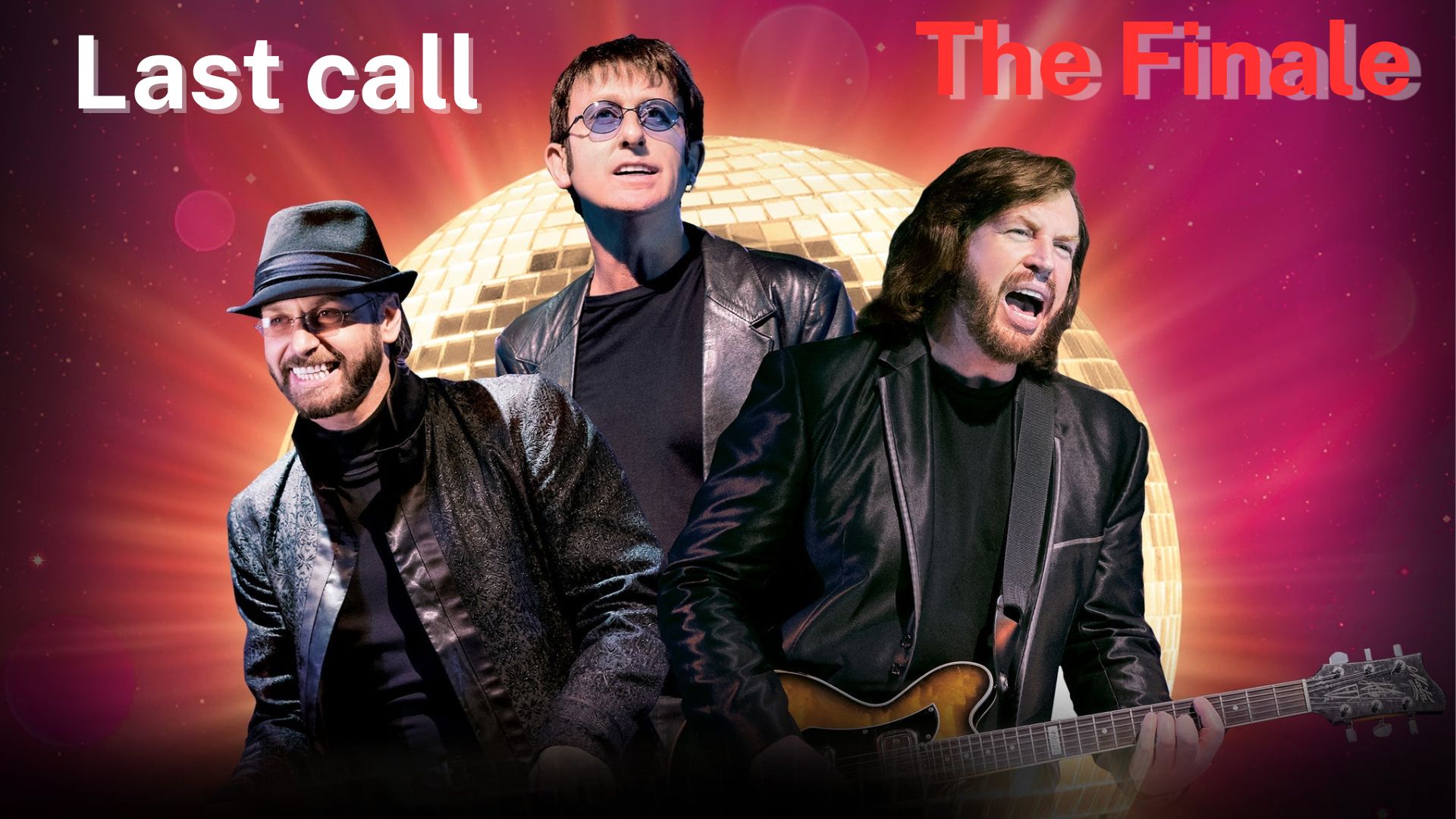
 There are goodbyes that come quietly, and there are those that echo across time. For the Bee Gees, it was never just about ending a career — it was about closing a chapter that had become part of so many lives. The brothers whose harmonies once defined an era of love, loss, and longing have reached the place where reflection speaks louder than melody. And in that silence, their final words to the fans still seem to sing.
How do you say farewell to millions who have carried your music through decades? To those who danced through youth to Stayin’ Alive, who fell in love under the soft glow of How Deep Is Your Love, who found comfort in the bittersweet calm of Words? The Bee Gees never simply made records; they made memories. Their songs became emotional time capsules — of disco lights, heartbreak confessions, and moments that outlasted the years.
The last words weren’t written in press releases or official statements. They were spoken in gratitude — softly, between breaths of music, in interviews where Barry Gibb looked back not as a star, but as a man who had outlived his brothers and still carried their voices within him. “It’s all still here,” he once said. And indeed, it is. The legacy of the Bee Gees isn’t measured by fame, but by how their harmonies still make people stop and remember where they were when they first heard them.
To their fans, those words of thanks were never formal. They lived inside every encore, every bowed head, every trembling final note. The Bee Gees’ last message wasn’t just “thank you” — it was a reminder that music, when born from brotherhood and love, never truly ends. It lingers. It transforms. It waits quietly for someone to play it again, and in that moment, it becomes new.
There’s something haunting and beautiful in the thought that their voices — those feathered falsettos that once soared through the ’70s airwaves — still belong to us. They belong to the lovers who danced under mirror balls, to the dreamers who found poetry in heartbreak, to the generations who discovered them long after their time. The Bee Gees’ “last word” is not an ending; it’s an inheritance.
Perhaps that is what makes their story so unforgettable. Behind every hit was a story of family — of three brothers who believed that music could heal, could transcend everything. They fought, they laughed, they lost, and they sang. When the curtain began to close, when the spotlight dimmed, what remained wasn’t just fame or nostalgia. It was gratitude. To the fans who never stopped listening, who kept the songs alive when silence tried to take over.
For Barry, the last surviving Gibb, the act of remembering has become an act of love. His every word about Robin and Maurice carries both pride and pain. He often says he still hears them, that their harmonies live inside him. And maybe that’s the truest final message the Bee Gees could ever give — that love outlasts death, and that the bond they shared is the same bond between their music and the world.
To all those who grew up with them, who grew old with them, who still hum To Love Somebody in quiet rooms — this is your goodbye too. But maybe it’s not a goodbye at all. Maybe it’s a promise. That as long as there are hearts that need healing, the Bee Gees’ voices will still find their way back to us.
The end of an era doesn’t erase the song. It only softens it, turning sound into memory, melody into legacy. The Bee Gees’ last word to their fans is not silence — it’s presence. It’s the echo of three brothers who taught us that harmony is more than music; it’s a way of holding on.
And in every refrain, in every whisper of falsetto that still drifts through the years, we hear it again — their final, gentle message: thank you for listening.
Watch video:
Watch other posts here: