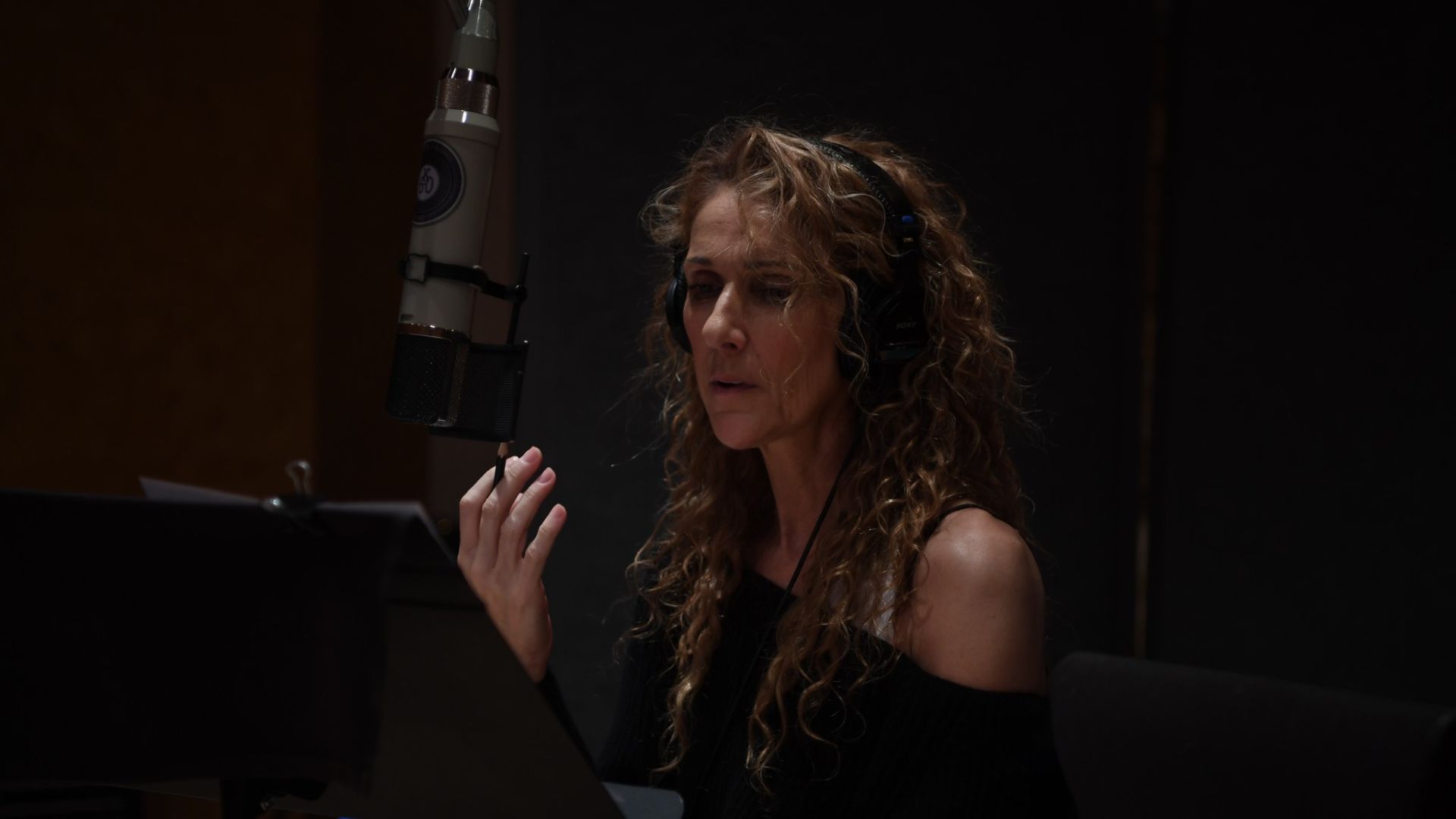
 There are comebacks that chase headlines, and then there are comebacks that feel like home. Céline Dion’s decision to revisit the early-2000s repertoire — to bring those songs back into the light, to let them breathe onstage once more — belongs firmly to the latter. This is not nostalgia for its own sake. This is a deliberate return to the music that held so many of us through the most tender parts of our lives: the lullabies of recovery, the anthems of new beginnings, the ballads that kept us company in the quiet hours.
Think of the early 2000s as a musical room in time filled with familiar furniture: the intimate piano of A New Day Has Come, the cautious optimism of I’m Alive, the careful, aching wisdom of songs written when life demanded faith and reaffirmation. Those records were not just tracks on a chart — they were lifelines. They arrived at a moment when Céline’s voice had already become larger than language; then she used it to promise healing, to promise endurance. Now, returning to that material feels less like rehashing a past and more like reopening a collection of letters the world needs to read again.
The choice to stage early-2000s playback is subtle and brave. It resists the temptation of spectacle and instead asks for presence. These songs are written in a register that asks for intimacy: a breath held, a note allowed to tremble, a phrase that lingers between the lines. In a live setting today, their power will come from what has changed in the singer and in the listener. Time has salted both voice and ear; where once a high note might have impressed, now a softer, earned delivery will break open a room. Fans will not be groping for the exact reproduction of a studio take — they will be looking for truth, for the small human cracks that let light through.
There is also a theatrical logic to choosing this era. The early 2000s were a bridge between spectacle and sincerity in pop: productions were lush but not yet hollowed by infinite scrolling; songs were constructed for radio and television but still wrote themselves into private playlists and life events. For Céline, those tracks were statements of survival and renewal after a decade of already monumental achievement. Performing them now is to reassert the song’s original promise — that music can be companion and cure. The playback elements will serve the emotional arc rather than override it: subtle strings, a familiar piano motif, perhaps a restrained choir — all scaffolding for the story her voice now tells.
Audiences will also witness a different pacing. Where younger Céline might have stretched phrases to display virtuosity, today’s interpretation will favor breath and meaning. That is not concession; it is refinement. The staging will likely be quieter, more cinematic than theatrical — dimmer lights that invite closeness, a camera that lingers on an eye or a hand, a band that listens to her as much as she listens to them. Social media clips will still explode in seconds, but the show will be built to reward those who sit through the whole arc. It will be an experience designed for returning fans and for new listeners who may never have been in a stadium with her before.
And then there is the communal dimension. The early 2000s playlists in our devices are full of songs that accompanied weddings, recoveries, births, funerals. When Céline sings those songs now, she sings into the memory of a generation. The playback will be a mirror: you will hear your younger self in the echo of her phrasing, and you will hear your present self in how the song lands differently now. That double hearing — simultaneous nostalgia and present reckoning — is what will make this return electric. Fans will not only applaud; they will weep, smile, and remember.
There is also an ethical tenderness in this decision. After health struggles that have been public and personal, choosing to revisit the material that once promised healing is to complete a circle. It signals that the work of recovery is not merely private rehabilitation but a public reclaiming of purpose. The early-2000s songs are an act of message and mission: to show up, to keep loving, to keep offering sound as solace. In this sense, the playback is less a technical crutch and more a ceremonial companion — the way a walking stick can become part of a dancer’s vocabulary once she learns to move with it.
Finally, the comeback will be a conversation between past and present — a gentle lesson in how art ages. Céline’s voice has always carried more than melody; it carries story. To hear those early-2000s songs again is to hear a woman who has lived and who has chosen to keep giving. Listeners will depart the arena not simply because they watched a show, but because they witnessed a reclamation: of voice, of story, of the faith that music can heal.
So prepare for a return that is both intimate and grand, a replay that feels like arrival. Céline Dion’s early-2000s playback is not a rewind. It is a reopening — a chance for us to sit with those songs anew and discover, in the familiar lines, a truth we need now more than ever.