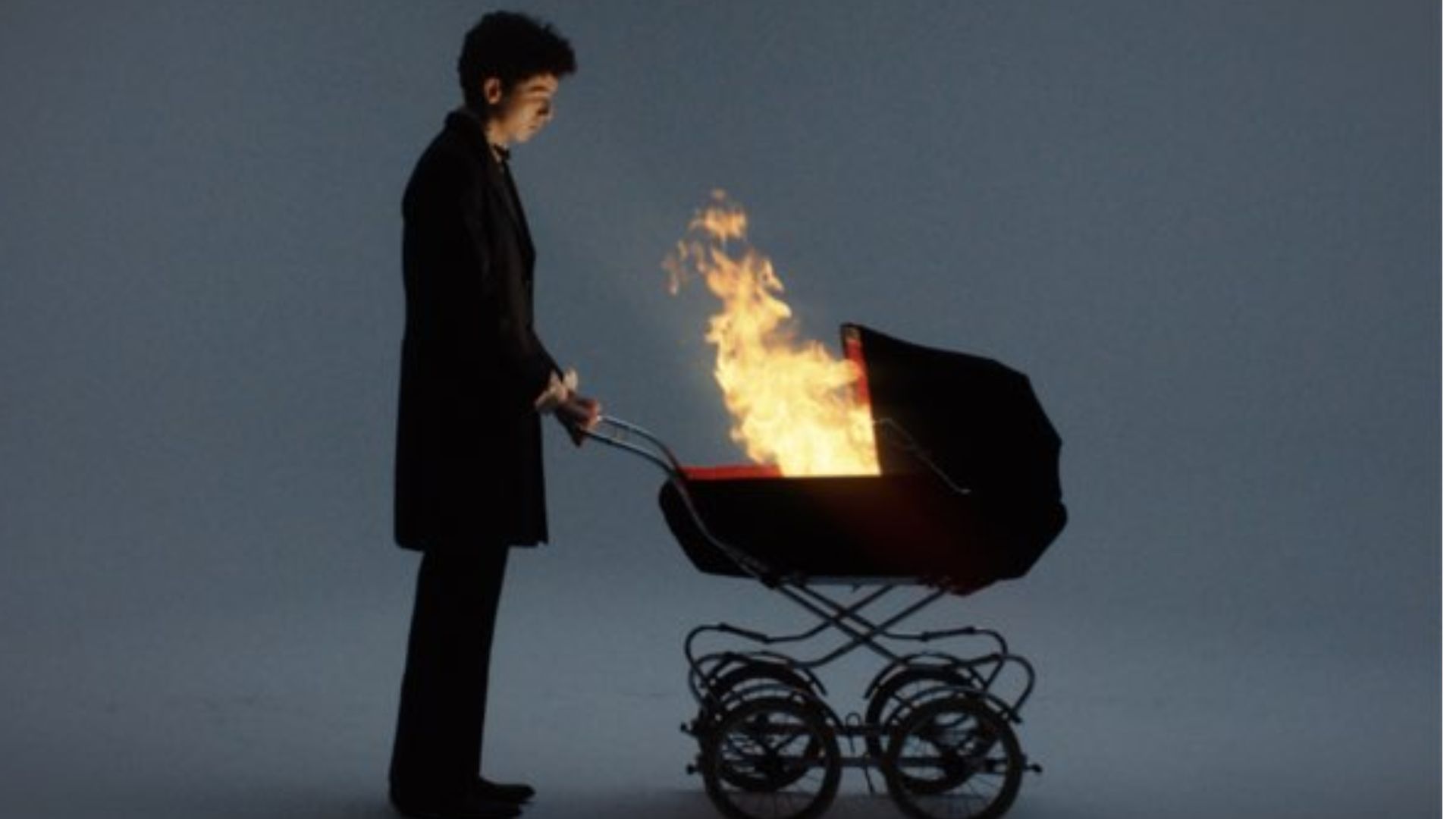
When Sub Urban released “Cradles” in 2019, few expected a 19-year-old artist to turn a nursery rhyme into a haunting anthem of modern disillusionment. Yet, that’s exactly what he did. With the line “Might as well just rot around the nursery and count sheep”, Sub Urban captured something painfully familiar — the restless emptiness that so many young people quietly live with.
At first listen, “Cradles” feels whimsical — its xylophone tones and distorted lullaby rhythms sound almost childlike. But beneath that innocence lies a deep unease. The lyrics twist the imagery of childhood into something darker, a reflection on burnout, isolation, and emotional decay in a world that never stops demanding perfection.
“I live inside my own world of make-believe…”
The song’s opening line sets the tone. Sub Urban invites listeners into a surreal dreamscape where imagination collides with anxiety. “Cradles” isn’t about comfort — it’s about collapse. It’s the sound of youth trying to stay sane while the world keeps spinning too fast.
The brilliance of Sub Urban’s approach lies in contrast — the playful melody against heavy meaning, innocence clashing with existential dread. That balance is what makes “Cradles” so unforgettable. It’s not just a song; it’s a psychological mirror.
The viral success of “Cradles” on platforms like TikTok and YouTube proved that its message resonated far beyond any one generation. Its visuals — eerie toys, distorted childhood symbols, and dreamlike decay — became an artistic signature of Sub Urban’s gothic-pop style. The song blurred lines between genres, merging electronic, indie, and dark-pop influences into something distinctly his own.
But more than a hit, “Cradles” became a statement. It spoke to the disillusionment of a world where comfort feels artificial, where people smile through exhaustion, and where the idea of “home” is both nostalgic and broken.
Sub Urban himself described the song as a reflection of his own struggle to escape conformity — an anthem for those who refuse to fit the mold. In every distorted note and echoing vocal, there’s rebellion.
Darkness in “Cradles” isn’t just a backdrop — it’s a character. It creeps through every verse like smoke in a locked room, quietly suffocating the innocence it once sheltered. Sub Urban doesn’t scream about pain; he lets it hum beneath the melody, like something half-remembered from a bad dream.
That darkness feels strangely familiar. It’s not the kind of horror that jumps out — it’s the quiet one that lingers when the lights go out. The sound design mirrors that feeling perfectly: warped lullaby bells, eerie echoes, and an undercurrent of distorted bass that feels like the pulse of a trapped mind. Every beat feels like another second spent inside that dream, unable to wake up.
The lyrics — “Might as well just rot around the nursery and count sheep” — make the image complete. The nursery, once a place of warmth, becomes a tomb of lost comfort. It’s a metaphor for growing up too soon, for realizing that the world isn’t as kind as we were promised.
Yet, even in its darkness, “Cradles” glows. There’s beauty in the decay, poetry in the brokenness. Sub Urban transforms despair into art — a reminder that sometimes, we must walk through the shadows to understand the light that once was.
Today, years after its release, “Cradles” continues to haunt playlists and inspire countless reinterpretations. Its power lies in simplicity — a lullaby gone wrong, a melody that refuses to sleep. It reminds us that even in decay, there’s art. Even in despair, there’s rhythm.
🕯 “Might as well just rot around the nursery and count sheep” — a chilling image, yes. But also a confession. A truth about what it means to grow up in a world that feels too loud, too fast, too unreal.
Sub Urban turned that feeling into something hauntingly beautiful. And that’s why “Cradles” still echoes — not as a cry for help, but as a quiet revolution.
#SubUrban #Cradles #DarkPop