There’s something timeless about the rhythm of disco-pop — a sound that seems to shimmer with emotion and movement. It’s more than just music for the dance floor; it’s a pulse that reminds us we’re alive, connected, and free to express ourselves. In a world that often feels divided and restless, the rise of modern disco-pop feels like an act of rebellion wrapped in glitter and melody.
In the 1970s, disco was a revolution. It gave a voice to those who were often pushed aside — the LGBTQ+ community, people of color, and anyone who didn’t fit into the rigid molds of society. It wasn’t just about dancing; it was about existing proudly, loudly, and joyfully. Fast forward to today, and the same spirit is being reborn through a new generation of artists who carry the mirror ball torch with passion and purpose.
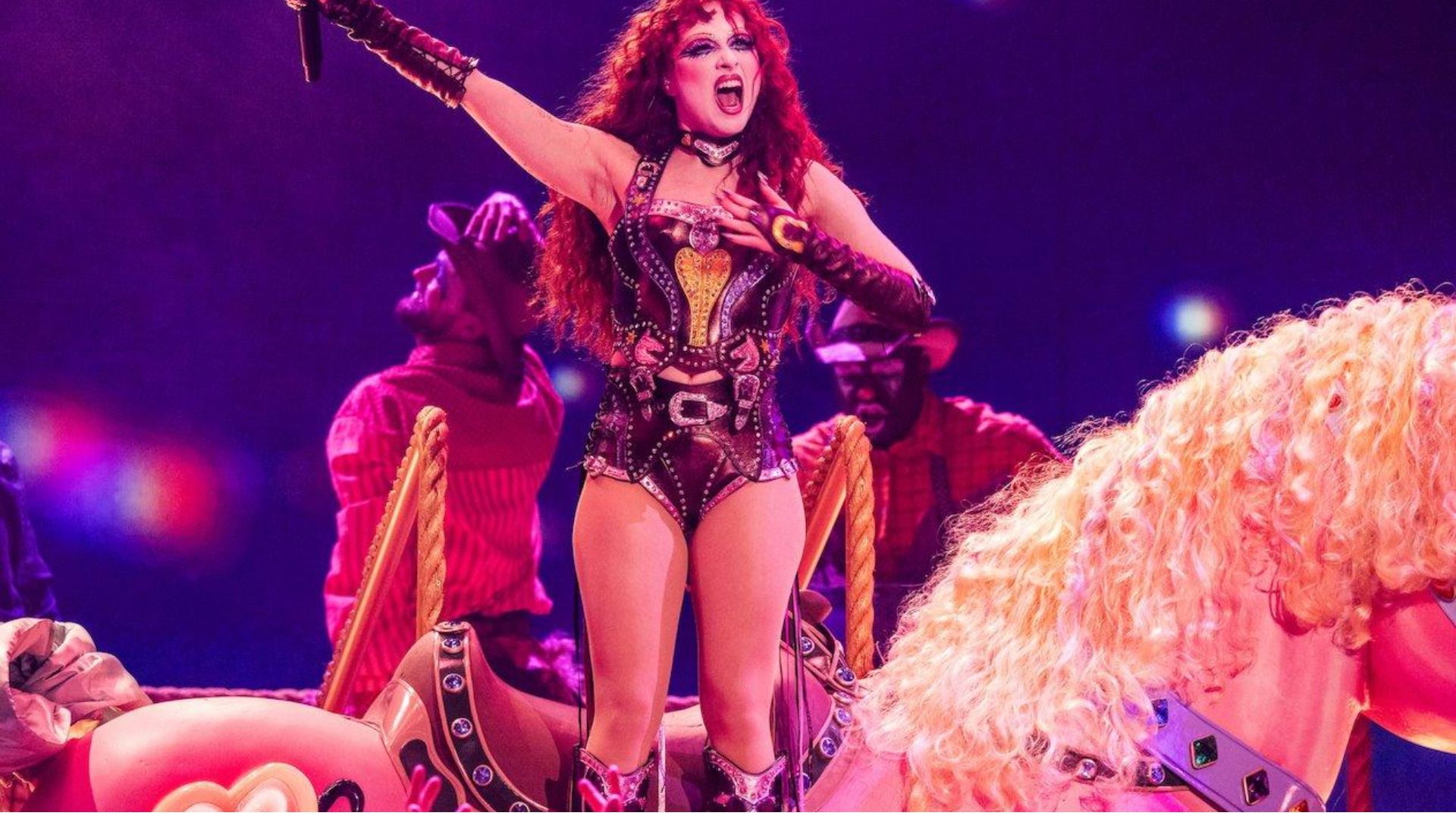
Artists like Dua Lipa, Jessie Ware, and Chappell Roan are leading this modern renaissance, blending classic disco grooves with 21st-century pop precision. Their sound is fresh, their message personal, and their purpose deeply human. Dua Lipa’s “Dance the Night,” written for Barbie: The Movie, turned a heartbreak anthem into a neon-colored declaration of resilience. Jessie Ware’s “That! Feels Good!” celebrates the physical joy of being alive, shedding shame and insecurity through rhythm and release. And Chappell Roan — perhaps the most emotionally fearless of them all — takes the freedom of the dance floor and turns it into a safe space for every identity and emotion. Her breakout song “Pink Pony Club” isn’t just about nightlife; it’s about finding a place where you can finally belong.
What makes this new wave of disco-pop so powerful is its authenticity. These artists are not imitating the past — they are reinterpreting it. They understand that disco was never just a trend; it was a form of resistance, a language of joy in the face of hardship. Today, that message still matters. In a time when the world feels increasingly disconnected, disco-pop offers a rare kind of unity. It tells us that joy is not naive — it’s necessary.
Listen closely to these songs, and you’ll hear echoes of self-acceptance, equality, and liberation. They remind us that dancing can be both an act of healing and defiance. The rhythm becomes a heartbeat, syncing strangers together in the same emotional frequency. It’s the sound of empathy disguised as euphoria.
Even beyond the big names, the spirit of disco-pop is everywhere — from underground queer clubs in London and New York to bedroom producers remixing vintage beats on TikTok. Music lovers across generations are rediscovering the power of the groove. It’s not about nostalgia; it’s about survival. Every shimmering bassline and falsetto hook whispers the same message: you are not alone.
Disco-pop’s comeback isn’t just sonic — it’s emotional, social, and even spiritual. It invites people to move their bodies, but also to open their hearts. It reminds us that under the flashing lights, every dancer carries a story, and every beat carries hope. When the crowd sings together, differences blur, fears fade, and for a fleeting moment, the world feels whole again.
Perhaps that’s why this revival feels so right, so necessary. In an age defined by chaos and noise, disco-pop’s warmth and humanity cut through the static. It asks us to look at each other, not as strangers, but as participants in the same rhythm of life. It celebrates imperfection, inclusion, and emotion — the very things that make us human.
So the next time you hear a disco-pop track — whether it’s Dua Lipa’s polished beats, Jessie Ware’s velvet vocals, or Chappell Roan’s raw poetry — remember that you’re listening to more than music. You’re hearing the echo of decades of love, struggle, and celebration. You’re stepping into a legacy built on freedom and connection. And you’re part of it, too.
Because at its core, disco-pop isn’t just about sound.
It’s about soul.
It’s about togetherness.
It’s about reminding us all that in a world that can be dark and divided, sometimes the most radical thing we can do — is to dance.